
S A N S K A R A M

Loading

Department of Radio Diagnosis

img

The Department of Radio-Diagnosis at Sanskaram University plays a pivotal role in the diagnosis and management of diseases through advanced medical imaging. It serves as a vital link between clinical and surgical departments, providing critical diagnostic insights that guide patient management.
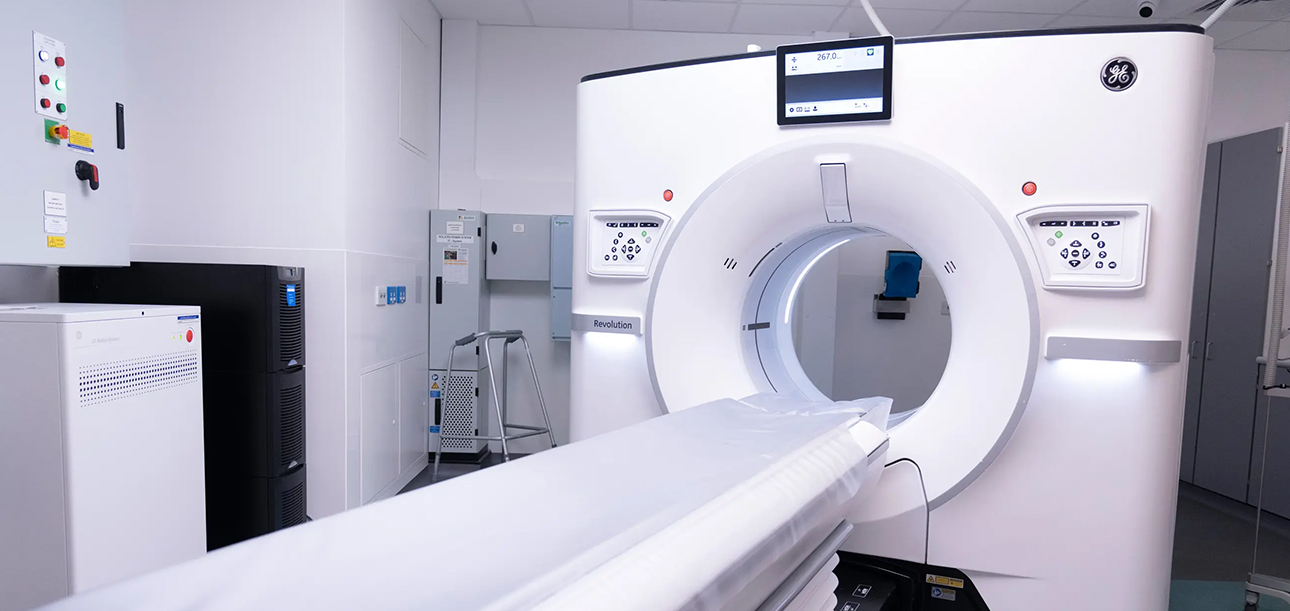
The department is equipped with state-of-the-art imaging modalities including X-ray, Ultrasound, CT Scan, MRI, and Digital Mammography. These technologies enable precise and early detection of diseases, thereby improving patient outcomes.

Key Areas of Focus in Radio Diagnosis

  • Vision To be recognized as a center of excellence in diagnostic imaging, education, and research, fostering innovation and accuracy in the field of Radiology.
  • Mission: To provide high-quality diagnostic imaging and interpretation services. To impart in-depth knowledge and hands-on training to medical students and residents. To promote research and innovation in radiology and imaging sciences. To ensure patient safety through radiation protection and ethical practices. To collaborate with other clinical departments for comprehensive healthcare delivery.
  • Objectives To train students in the principles and techniques of diagnostic imaging. To develop skills for image interpretation and radiological correlation with clinical findings. To teach safe and effective use of radiological equipment and radiation protection. To expose students to advanced imaging modalities and interventional procedures. To promote research in diagnostic radiology and imaging technology.

  • Academic Activities The department plays a crucial role in undergraduate and postgraduate medical education, providing both theoretical and practical knowledge in diagnostic imaging.Key areas of study include:Conventional Radiology (X-ray), Ultrasonography and Doppler Studies,Computed Tomography (CT),Magnetic Resonance Imaging (MRI),Digital and Contrast Imaging Techniques,Mammography and Bone Densitometry,Interventional Radiology Basics,Radiation Physics and Safety,Imaging in Emergency and Trauma Care,Students gain hands-on experience in operating imaging systems, understanding film reading, and correlating radiological findings with clinical conditions.
  • Teaching & Learning Methods Classroom lectures and audiovisual sessions,Case-based learning and image interpretation exercises,Demonstrations of imaging procedures and patient positioning,Departmental seminars and journal clubs,Clinical case discussions with other specialties,CME programs and workshops on new imaging technologies,Research projects and case report presentations.

Key Areas of Focus in Radio Diagnosis

  • Facilities The Department of Radio-Diagnosis is equipped with cutting-edge imaging technologies to support both clinical services and academic training:
    • Digital X-Ray Unit (DR System)
    • Ultrasound and Color Doppler Machines
    • CT Scan (Multi-slice)
    • MRI (High-field)
    • Digital Mammography Unit
    • Fluoroscopy and Contrast Study Suite
    • PACS (Picture Archiving and Communication System)
    • Radiation Safety Equipment and Dosimetry Monitoring
    • Teaching Aids and Image Archives for Learning
  • Faculty The department is staffed with experienced and dedicated radiologists who are experts in various imaging modalities. Faculty members are actively involved in teaching, clinical practice, and research. They mentor students to develop diagnostic acumen, ethical practice, and technical competence in the use of imaging tools.

  • Research & Publications Research in the department focuses on improving diagnostic accuracy and exploring the role of imaging in early disease detection
    • Imaging in Oncology and Trauma
    • Advanced Ultrasonography Techniques
    • Interventional Radiology and Image-guided Procedures
    • Radiation Dose Optimization and Safety
    • AI and Digital Imaging Applications
    Faculty and students regularly publish papers in national and international journals and participate in conferences and radiology workshops.
  • Community & Extension Activities The department actively contributes to community health initiatives through:Free diagnostic camps for rural and underserved populations.Health awareness programs on cancer screening and preventive imaging.Collaboration with NGOs and public health agencies for outreach diagnostics.Training workshops on radiation safety for technicians and medical staff.
  • Interdepartmental Collaboration The Department of Radio-Diagnosis works closely with General Medicine, Surgery, Obstetrics & Gynaecology, Orthopaedics, and Pediatrics to provide accurate and timely imaging support. Regular multi-disciplinary case discussions enhance the integration of imaging with clinical care, improving overall diagnostic outcomes.